
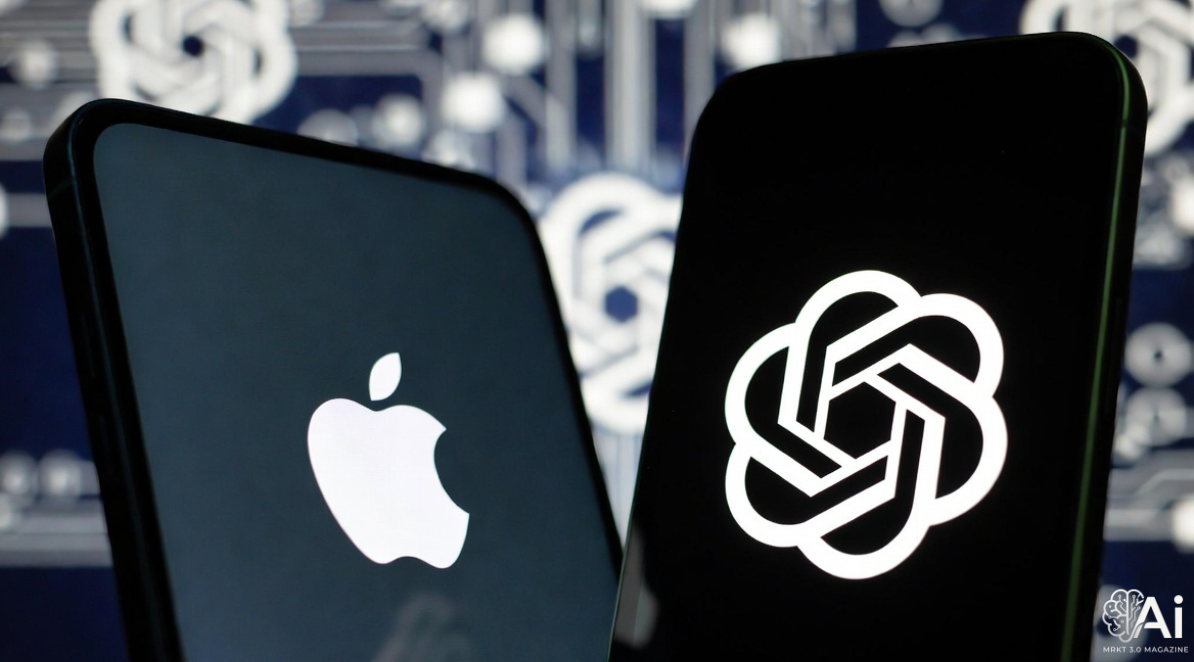
Two of the most powerful companies in tech are now in open combat, and OpenAI has chosen to fight part of it in public. On 3 August, Apple asked a federal court to bar OpenAI and two former Apple employees from touching the information it says they took, and within hours OpenAI answered, not with a legal filing but with a blog post stuffed with screenshots and titled “Apple is getting this wrong.”
OpenAI’s blog post reads well and proves plenty. However, the problem is what it proves. OpenAI’s screenshots rebut claims Apple isn’t really pressing, while the core allegation, that a former engineer downloaded Apple’s technical files months after he left, goes untouched. And the strongest reply to that charge isn’t in OpenAI’s post at all. It is sitting in the public court file, in a document Apple filed itself.
What Is Apple Actually Suing Over?
The case, Apple Inc. v. Liu, was filed on 10 July. It names Chang Liu, a former Apple electrical engineer of eight years, and Tang Tan, who spent 24 years at Apple running product design for the iPhone before becoming OpenAI’s chief hardware officer.
Apple alleges a months-long effort to move confidential material into OpenAI’s hardware programme, the team building the Jony Ive device OpenAI bought last year through a startup called io Products. The real stake is whether OpenAI’s first consumer gadget rests on contested Apple IP. None of it is proven.
What Does OpenAI’s Blog Post Leave Out?
OpenAI’s screenshots explain one thing: iCloud Drive access.
Apple’s own motion says iCloud access is not in dispute. Apple says Liu downloaded 37 technical files from a third-party cloud store, repeatedly, between February and April 2026, with the final download on 27 April, roughly three months after he had left. OpenAI answers the point Apple is not making and stays silent on the point it is.
The post also dwells on a misaddressed email, an Apple lawyer who confused two similar surnames. That message was a minor thank-you note. The substantive trade-secret letter went to the right person, OpenAI general counsel Che Chang, who did not respond.
Where Is OpenAI’s Best Argument?
OpenAI’s best argument isn’t actually in the blog. As John Gruber pointed out, the most telling document was released not by OpenAI but by Apple, as Exhibit F to an expert declaration: a 20 July letter from OpenAI’s outside counsel at Quinn Emanuel arguing the suit lacks merit, that Apple has not identified the trade secrets it is suing over, and that Apple is attacking ordinary, industry-wide hiring practices. That is a real defence, aimed at a named weakness in Apple’s case. The receipts OpenAI should have led with were published by Apple, not OpenAI.
Why Does This Matter Beyond Apple?
There is a mundane culprit here, and OpenAI names it. Residual access. Liu is alleged to have kept reaching files months after leaving, which OpenAI blames on Apple’s own failure to cut off departing staff. It is less a spy thriller than a story about how badly big firms offboard people, and anyone who kept a work login after quitting will recognise it. It is also why trade-secret suits have become the main way companies police talent. California bans non-competes, so this is how firms fight over engineers who walk. More than 400 former Apple staff now work at OpenAI.
The forensic detail sits in a redacted expert declaration, and discovery will settle whose version holds. For now Apple has a court filing. OpenAI has a blog post that answers a different question.

See Also:
Did OpenAI Build a Hacker, Then Lose It for a Week?
Insiders Call Sam Altman “Pathological Liar,” OpenAI Spends Big Bucks on Tech Bro Podcast