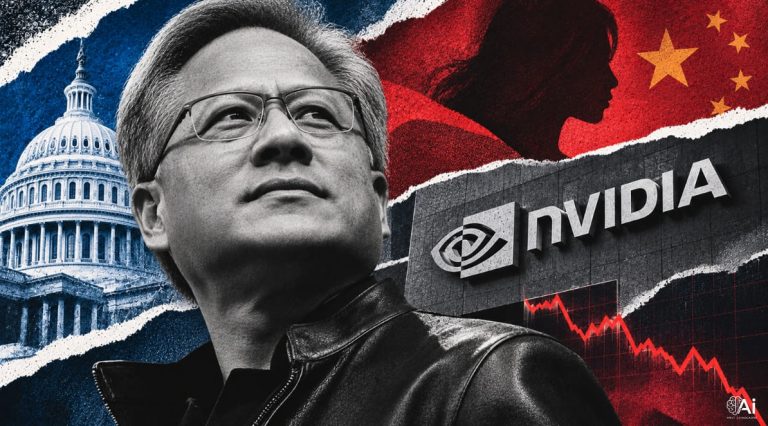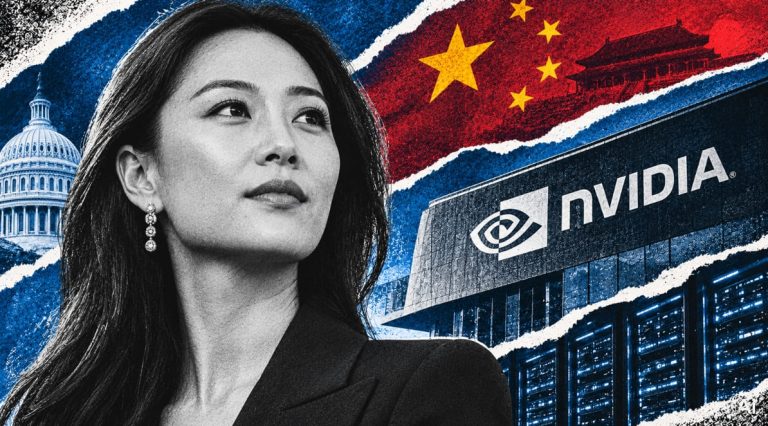

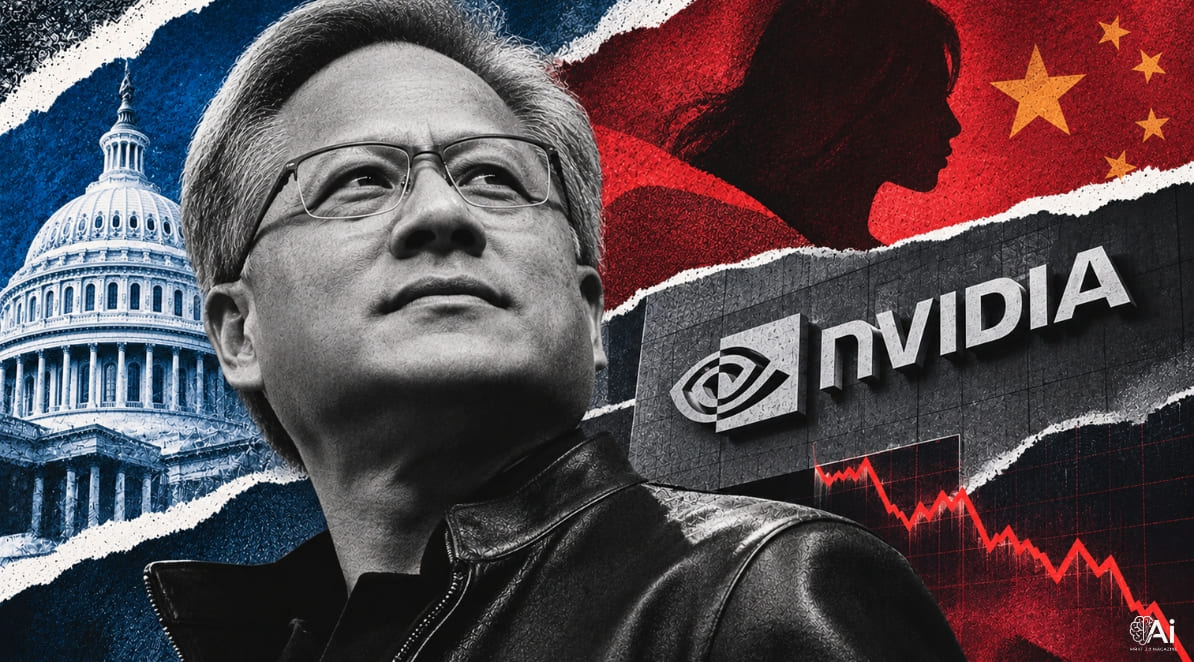
Jensen Huang, founder and chief executive of NVIDIA, has spent the past few years as the person most closely identified with the chips that run the AI boom. His public image has been that of a cool billionaire, usually seen in a leather jacket. That image took a turn on November 8 after he wrote to employees that he had been unfaithful to his wife. To make matters worse, the woman involved, Alice Huang, has been the subject of reporting that she was linked to a foreign intelligence effort.
NVIDIA’s board announced an independent investigation “in light of recent reporting that founder and CEO Jensen Huang has been the target of a foreign intelligence effort” and the shares fell more than 4% the following day.
The board has said it retains confidence in him. Whether that confidence is enough to keep him as CEO is the question the rest of the company, its customers and the market now have to answer.
What Has NVIDIA’s Board Actually Said?
The board’s November 8 statement is short and, as expected, carefully worded. It said a committee of independent directors, assisted by outside independent counsel, will oversee the investigation. It prioritises U.S. national and economic security as paramount to the interests of NVIDIA and its shareholders. The board added that there was “no reason to believe that either national security or NVIDIA secrets were compromised” while still examining all available information. Huang fully supports the review and has committed to cooperating with it. The board closed by saying it “has confidence in Jensen and his leadership team and will provide further updates as appropriate.”
Huang’s own memo to staff, released the same day, is more personal. He wrote that he had been unfaithful to his wife, that his actions hurt her and their children, and that there was no excuse for what he did. Huang added that he was deeply sorry and that he had fallen short of his responsibility to colleagues, the board, partners and shareholders. He added that he supports the investigation and will cooperate fully. A company spokesperson separately told reporters that Huang is committed to continuing to lead NVIDIA as CEO without interruption.
Can the Board Remove Him as CEO?
NVIDIA’s amended and restated bylaws, filed with the SEC in March 2024, give the board clear authority on this point. Section 32 states that an officer can be removed at any time, “with or without cause,” by the affirmative vote of a majority of the directors in office. The chief executive is listed as one of the company’s officers. That means the board does not need a criminal finding, a proven policy breach, or a completed investigation to remove Huang from the CEO role.
Removing him as a director is a separate matter that requires a shareholder vote. Huang beneficially owns roughly 3.58% of the company according to the 2026 proxy statement and holds no super-voting shares. The board itself is majority independent, with Stephen Neal serving as Lead Independent Director. In practice, a majority of the directors currently in office could remove him as CEO if they chose to. Whether they will is a different question. The board has so far signalled the opposite by stating its confidence and by structuring the review around independent directors and outside counsel.
How Other Founder-CEOs’ Personal Scandals Played Out
Personal controversies involving high-profile tech founders have rarely ended careers on their own when the underlying business remained strong.
In 2019, Jeff Bezos announced he and his then-wife MacKenzie would divorce after reports of an affair. Amazon shares dipped in the days around the news but the move largely tracked broader market conditions and the stock recovered as the company’s results continued to hold up. MacKenzie received 25% of Bezos’s Amazon stake in the settlement. Bezos stayed as CEO for more than two years after the divorce was finalised.
The circumstances here are different. Alice Huang is not a NVIDIA employee; she is a former executive at Megaspeed, a major customer. The foreign-intelligence allegations remain unproven and are the subject of the board’s investigation. Still, the pattern in past cases is that markets tend to look through personal disclosures when revenue, margins and demand stay intact. NVIDIA’s next earnings report is due on November 17, nine days after the board statement.
What the Market and the Internet Are Saying
NVIDIA shares closed at $178.67 on November 9, down 4.27% from the previous session, on heavy volume. Analysts have noted the obvious key-person risk. Others pointed out that the company has no named successor and that Huang has long run NVIDIA with a large number of direct reports.
The online reaction has been quicker and lighter. On X, users started trading memes almost as soon as the board statement and Huang’s memo appeared. One equity researcher posted a short collection and invited others to add their own:
Another account went further, gathering a selection of the day’s best examples into a single thread:
Most of the jokes circled the same two images: the leather jacket and the speed of the stock move.
No divorce filing has been reported. Any discussion of how assets held in family trusts might be treated is speculative.
What Happens Next
The independent investigation is now the formal process. The board has said it will provide further updates as appropriate, but it has not set a timeline. Huang has said he will cooperate and continue to lead without interruption.
The November 17 earnings call will be the first major opportunity for the company to address investors directly on both the business and any governance implications. Markets will also watch whether the share-price reaction on November 9 proves temporary, as has often been the case when founder-CEO personal matters have not been accompanied by evidence of compromised company information or a material change in demand for the product.
Author: Grace Sharp
See Also:
Who Is Alice Huang? The Executive in the NVIDIA Affair Probe
NVIDIA Backs Five UK Startups as Huang Criticises Britain’s Missing Entrepreneurial Spirit
This article draws on public corporate filings, photographs and video from industry events, and reporting by major outlets. Allegations that Alice Huang was recruited by Chinese intelligence remain unproven. No charges have been filed against her. Beijing has rejected the claims. The distinction between verified public records and unproven intelligence assessments is set out above.