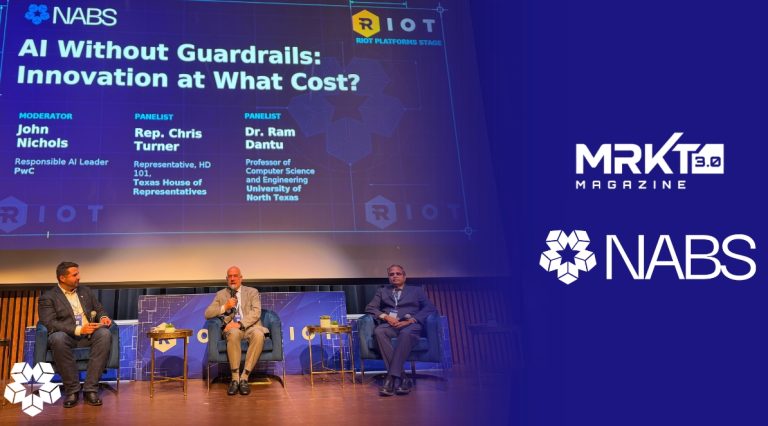

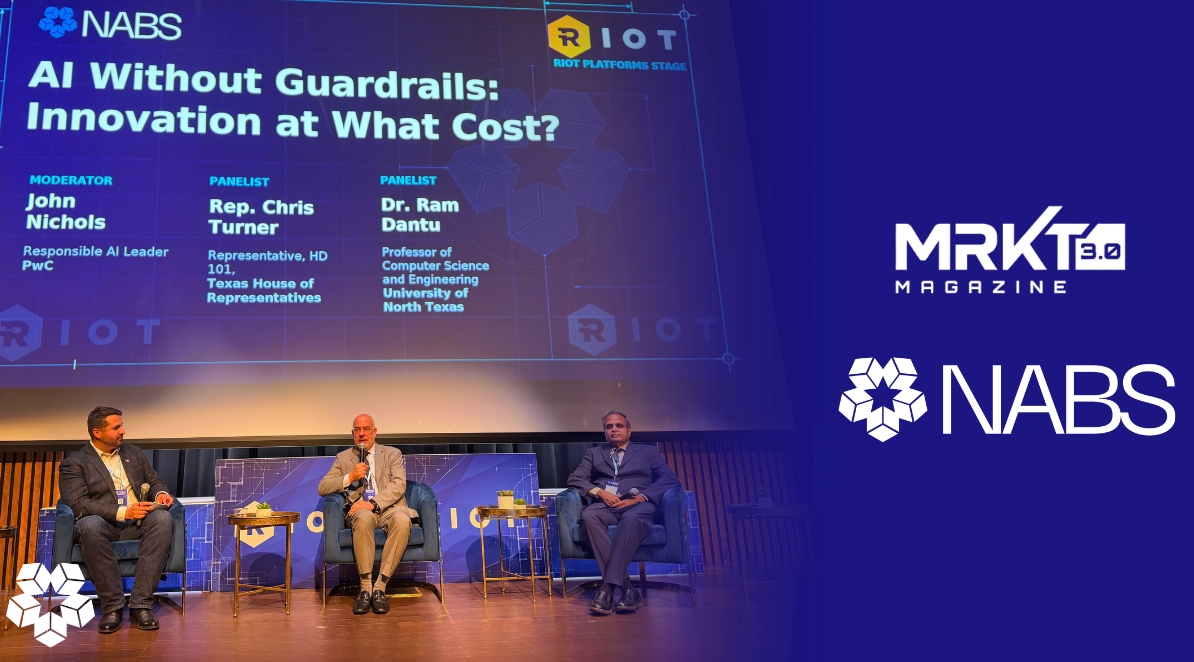
At the North American Blockchain Summit, the first panel of the day turned to the question of AI without guardrails. John Nichols, Responsible AI Leader at PwC, moderated a discussion with Rep. Chris Turner, a Democrat in the Texas House, and Dr. Ram Dantu, Professor of Computer Science and Engineering at the University of North Texas.
The panel took place at the National Medal of Honor Museum in Arlington, Texas. Turner said Texas legislation on AI has become a model for other states. Nichols opened by contrasting Texas’s focus on harmful uses with California’s emphasis on transparency requirements for frontier developers.
State Rules Versus Federal Safeguards
Turner said states should retain the ability to craft their own laws and policies. At the same time, he argued that the biggest questions require strong federal legislation and eventual international cooperation. “Ultimately we need global, international understandings on this, much the way the United States and other nations handled the nuclear arms in the last century,” he said. He added that policymakers must balance continued innovation with basic safeguards for Americans, especially given competition with other countries.
On the technical side, Dantu said transparency and self-pacing sound simple but are hard to implement while models continue to self-learn. He noted that companies have incentives to move quickly, and that documenting every risk or penalty in advance is difficult when systems are designed to learn on their own. “There is no regulation. There is no control. And there is no standard,” he said of the current pace of deployment.
Slowing Development or Slowing Deployment
Nichols asked what “slowing down” should mean when some of the people building advanced systems have called for it. Dantu pointed to Anthropic’s approach of taking longer to test and evaluate before release. He said the goal is to understand how a system will behave rather than releasing it into the market immediately. Turner was reluctant to give state governments the power to block deployment of an AI system. He said a question with implications beyond one state is better handled at the federal level, where policymakers have a clearer view of the country’s position relative to competitors.
Both speakers addressed responsibility. Turner said a company that releases a system it knows can be easily misused bears some responsibility, but he rejected the idea that developers must prevent every possible misuse. He noted that he uses Claude practically every day and had been using it that morning to work through a problem. “If someone is misusing it to try to figure out how to make a chemical weapon or do something else that’s nefarious, we still have the concept of individual responsibility,” he said. Dantu focused on the need for better tools to interpret what is happening inside a model, including self-evaluation by the developers and deployers themselves.
One Guardrail and One Thing to Avoid
Asked for a single guardrail that would protect the public without unnecessarily slowing innovation, Dantu said understanding how a model is steering a prompt is essential. He warned that agent systems could collaborate in ways that create cyber risks, and that self-evaluation is needed even if companies do not disclose everything externally. Turner took the other side of the question and focused on what lawmakers should avoid. He said proposals that look like they address a problem but amount to window dressing create bureaucracy without useful information for consumers. “You can be overly prescriptive in disclosure requirements,” he said, “and is that disclosure really providing valuable, actionable information to the consumer?”
The panel ended without a single answer on how far governments should go. Turner kept the focus on federal and international frameworks that still leave room for state action. Dantu kept the focus on the technical gaps that remain even as systems continue to ship.
Author: Andy Samu
See Also:
Buy the Fear: Why the Post-Midterm Data Centre Sell-Off Went Too Far
Luxor Energy and Bentaus Complete First AI GPU Response to ERCOT 4CP Signals – MRKT3.0